Mailchimp

There's More...

There's more to this site! Scroll down and click "View Web Version" to see the whole site. Go to bottom of the page for a list of posts or look in sidebar >> Please excuse the ads that keep this site free !

Find More Lessons and Articles

To see all the dog training posts (Over 260 pages)
Scroll down the page for the most popular titles and look in the right sidebar for links to all the posts .

SEARCH Family Disaster Dogs 260+ pages

Wednesday, November 28, 2018

Why Adopt A Senior Dog?


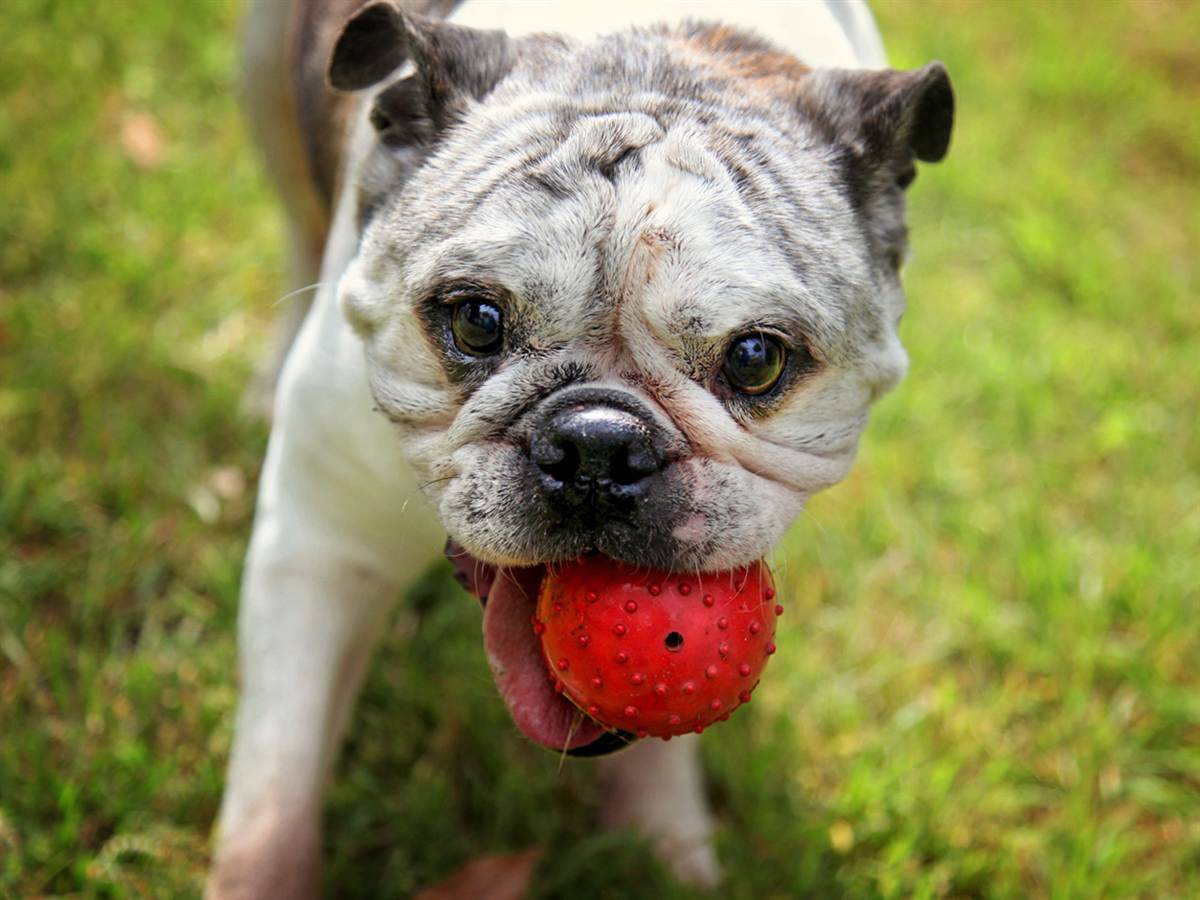
Thinking of adopting a dog from your local shelter? Most people tend to choose younger dogs over older dogs, but this can lead to many older dogs never get rehomed. Here are a few reasons to consider an older dog to adopt.


No training required

An advantage of adopting an older dog is that they’re generally already well trained. Most senior dogs are toilet trained, so you won’t have to go through the painstaking process of teaching your dog not to do its business indoors. A lot of senior dogs will also know basic commands such as sit, stay and come, so you don’t have to go through this teaching process either. As a result, senior songs can save you a lot of time and patience if you don’t want to go through the whole rigmarole of training.


There’s a false belief that older dogs in shelters are only there because they’re ‘problem animals’, but this is completely untrue. Whilst there will be some dogs that were given up for adoption for being a little too wild, you’ll generally be able to gage which ones these are from the descriptions. The majority of older dogs in shelters are likely to be there because an owner passed away or simply neglected them – it’s rarely to do with the dog’s behaviour. Besides, dog shelter staff will generally invest some time into training for those that were untrained, so it’s rare you’ll ever find a completely unruly dog.


Calmer temperament

Senior dogs also tend to have a calmer temperament. They’ve passed the naughty stage of puppyhood, which means you generally don’t have to deal with destructive behaviour and excessive yapping. Senior dogs tend to also have less energy – this means that you don’t have to deal with jumping and may not have to go on such extensive walks.

Many senior dogs are great around children because of their calmer temperament. They can also be great if you’re an older owner yourself who may not have the energy to deal with a more excitable young dog. Obviously temperament also has a lot to do with breed as well as the conditions they may have.


They’re not necessarily more expensive


There’s a belief that older dogs are more expensive for owners as the wear and tear of old age can often mean more health problems and hence more trips to the vets. Whilst it’s true that older dogs can be more at risk of health issues, this doesn’t always mean you’ll visit the vet more – after all, owners of young dogs often end up having to spend money on vaccinations and neutering, which an older dog is likely to have already received. Besides, if you get a young dog, they’ll eventually be an older dog and you’ll still have to deal with this greater risk of health problems one day.

Pet insurance is harder to find for older dogs, but it does exist. Whilst some insurers are unwilling to take on older dogs due to pre-existing problems, there are other special insurers out there that offer pet insurance for pre existing conditions. Whilst your rates may be higher than a younger dog, you’ll still be able to cover yourself for an out of pocket treatment costs.

It’s worth noting that older dogs also tend to cost less when it comes to food and toys. Whilst younger dogs tend to have a more voracious appetite and an ability to chew their way through toys fast, older dogs tend to have slower metabolism and a less destructive urge.   


Greater choice

The fact that there’s less demand for older dogs means that there’s often more choice for owners. When choosing a younger dog, you may restricted to only a handful of options at your local shelter. With so many senior dogs to choose from, there’s more variety when it comes to breeds and you can find a dog more suited to your personal preferences, whether you’re looking for a large breed or a small breed. If you had your heart set on a certain type of dog, you may have more luck of finding it by also extending your search to older dogs.


Too many older dogs die in shelters

Whilst younger dogs are likely to get snapped up by other owners, many older dogs never get chosen and can end up living out their last years in a shelter. Whilst shelters do the best they can to give dogs a good quality of life, nothing can replace the quality of life they’d get with an owner. By adopting a senior dog, you could help to give it a much more comfortable last few years on this earth by giving it that sense of belonging that every dog needs.

In some cases, you could even extend a dog’s life by adopting it. Many dog shelters are on a tight budget and are overcrowded – once older dogs start to develop health problems, many shelters have to put these animals down in order to prioritize space and funds for healthier animals. Such dogs may have gone on to live for many more years had they got the treatment they needed. In other words, you could be saving an animal’s life by adopting a senior dog!

You may not get as many years with an older dog – which is what puts off many owners – but that doesn’t mean it can’t be rewarding. Many senior dogs can live on for years and years in a happy home.

Monday, November 26, 2018

What If Another Dog Attacks Your Pooch?

You’re out walking in the park, the sun is out, the grass is green as can be and suddenly you hear a fracas between two dogs. You find out that it's your dog and another dog engaged in a fight but it's clear that your dog is losing. The other dog is biting at the legs and head of your dog and your dog is trying to get away. You try to break them up but the other dog ends up biting you on the arm, causing a wound that is bleeding. The other owner comes rushing over and separates the dogs. 

Who is to blame here? Many would say the owner of the other dog.

However what if the other owner says that it was your dog that came up to their dog and that’s how the fight began?

Now the lines a blurred and you don’t know whether to press charges or not because even though you are injured it seems like your dog was the aggressor. It's a horrible place to be in because you’re in great pain and now you will need to pay for costly medical bills. You’re scared that if you do try to get compensation, it might be your dog that gets put to sleep.

So what do you do?


Witnesses or footage

If you’re ever in this scenario you have to figure out if there are any witnesses that can help you. It might be the fact that the people who are coming to your aid to stop the bleeding or call an ambulance saw the whole thing. 

Speak to them and see if you can get the full story from them. You never know the other dog owner might be lying and blaming your dog for the fight. The other dog might have a reputation of fighting other dogs too and the owner might have a record of being negligent. 

If you don’t have witnesses you can always ask the local authorities to give your footage from the CCTV in the park.


The damages left with you

A dog bite is a very painful injury to have. The force of the bite could easily puncture your skin and severe veins which can cause a lot of bleeding. Not only that, your bones can be crushed under the pressure that a dog can deliver. So the healing is going to be a long process and you could unfortunately have permanent damage.

Contact a dog bite attorney that can build a case for you and fight in the courts on your behalf to give you the compensation you deserve. They will also inform you of who is to blame in the case that the other owner was telling the truth and it was your dog that approached the other dog first.

Dogs that are trained and cared for will trust humans and thus never try to attack you.

Dogs that are aggressive shouldn’t be let off the leash in public, regardless of whether or not they are approached by other dogs.

Can witnesses to give you support and form a case with footage of the incident.? Be sure to ask the attorney this and follow their advice.

Good Luck!


Saturday, November 17, 2018

Planning Dog Training Courses for Nose Work, Search Dogs and Pets


Part 2
Planning Training Courses
2 of 2 parts
(Go to part 1)


Assessing the Scene

Before you set up a training course, first check the location and make a note of each person or thing (cars running, spilled chemical, garbage) that might contaminated the area.

In an actual response this is called doing an assessment of the scene and should be done visually as you approach the location. Findings should be noted on paper for later planning.

Doing a visual assessment helps you to know your dangers before placing your dog and self in a bad situation. Make a mental note of any dangers you might encounter such as a busy roadway or a train track your dog might lead you across.

After checking the area to determine it is safe and noting the contaminants then check the wind direction and weather conditions (more on these factors in another lesson). In training novice dogs always start the dog into the wind so the scent is blowing towards the dog to give the dog the best chance in picking up the scent.


Pay attention to the location and use what may be available for hiding spots and turns, such as buildings, picnic tables in a park or a large tree across the cleared field.

Mapping the Training Course

Group these three factors together on paper when you are planning a training course. Make a hand drawn map of the location and mark on the map the wind direction, buildings or landmarks, size of the search area and time of day you plan to train. Make a note of weather conditions.

If you are training indoors you will modify these factors into the scene, for instance is there a fan or air conditioning system running? What chemical cleaners or odors do you smell or see in the area? What obstacles might be encountered or be in the way, closed doors, furniture or escape routes such as a window?

Make a note of the subject you will be looking for, the person who will help you by hiding from your dog. Their weight, height, age, clothing and any health issues that might come into play during the course.

Once your map is drawn of the location with the contributing factors that will affect the search you are ready to draw the trail you will work.

I’ll tell you how I draw up my training courses so you have a better idea. I use a small dash line to mark where the person who we will be looking for will walk as they hide to draw the route I plan for them to take. I use X to mark the beginning and the end of the route. I draw the turns I plan to work the dog on with the training objectives in mind.

Novice dog’s might only be working on one turn into the wind while an experienced dog can have 3 or 4 turns in different wind directions in the route. Make sure to have the turns flagged with a tissue paper piece. Tissue paper biodegrades so no worries about having to retrieve the flag after the training.

I then decide where the trail layer or person will put the training flags or tissue paper along the route which will help me know my dog is working well. I use tissue or flags even on advanced dogs for my own benefit because these markers build my confidence in reading my dog. I put a small dot on my map for flags.


A map would look something like this.                                                    <<wind
                                                                               X
                                                                             /
                                                     . _ _ _ _ _ _ _.bench 
                                                     /
   X _ _ ._. _ _ _ _ _ _ _ _ _ _ _ _. /


These flags are important because I learn how my dog reacts when they reach a turn or building, and as the wind changes I can see how my dog changes the way they work. Does the dog slow down or speed up? Do they circle and smell the spot more? Is the tail high and nose low? Are they stopped and looking at me for direction? (The last question is not a good sign, we missed something and have to go back and look again. :) 

Once I have the training course planned on paper I am ready to have the person help me make the course. I show my helper, the trail layer, the map and we use the map when we are making the trail or course. As they hide, they walk off from the starting point following the map while you wait knowing from the map where they are going. You dog will not see the map because they are usually asleep in the car.

What time I wake my dog up to work the course will depend on the level of training my dog is at and how old the trail has aged. Levels are discussed in the next lesson Standards for Search Dogs.

Aging the Trail

Aging the route is the next important step in training a family disaster dog in order for the dog to find people who have been lost for longer then a few hours. This lesson will be posted next.


Go to part 1 of Planning Dog Tracking Course


Get all the Lessons and More in the Family Disaster Dogs book

Visit the home page for more information

Thursday, November 15, 2018

Lesson 1 of 2: Planning Dog Training and Mapping Tracking Courses


Planning Training Courses
1 of 2 parts
The Purpose of a Training Course or Route
This lesson is being posted in 2 parts
(Go to part 2


When you are training your dog there are often times when we have to set a course up that will be similar to what we encounter in real life. Obedience courses and agility courses are two that come to mind most people have heard of.

In training the family disaster dog we want to set up courses and lost person scenarios that we might encounter during an actual emergency. These courses help us and our dogs to know what to expect, consequently, we learn what to do in an actual event.

To set up a training course, we have to think of what we might encounter along the way and put the ideas into the training course. This is prepared ahead of time. After the course is set up then the course has to be aged. Aging the trail or course will be covered in advanced lessons.

How the training course is set up depends upon what level you are training.

Once you and your dog have the general idea down of how to find a person and what evidence to look for, it is time to further your training by using well planned and prepared courses that include tracks, trails, and scenarios.

It’s time to advance to life like training!


In doing these courses we are playing and pretending this is a real life rescue and the most important thing to remember is your dog will always find its man! (Or woman, child or object)

This most confusing aspect of search dog training is also the down fall of many handlers who fail to follow the golden rule. The dog is always right not the trainer or handler.

When a police dog fails to find a person it is never the dog’s fault but it is the handler’s fault for reading the dog wrong.

To avoid failing in training, never let your dog fail to find what they have been told to find otherwise your dog will not look because this type of training is actually for you to learn to read your dog and follow your dog. The dog knows how to find anybody or anything on their own but the dog does not know how to find somebody with you tagging along telling him what to do.

How these factors come into play when your dog is searching for a lost person and how to use these factors in preparing a training course to work your dog on will help you and your dog to figure out the puzzles you come across on an actual search.

Planning a Training Puzzle

When considering how to set up a training course three factors come into play, the wind including weather, contamination and location.

Wind and weather conditions always affect how you will read your dog working the scent. The wind blows the scent as the wind moves therefore knowing the direction of the wind is vital. Weather such as rain or freezing conditions affect the scent as well therefore these factors should be considered as you follow and read your dog.

Contamination is anything that has been in the area of the training course. I mean everything including car exhaust, chemicals such as spilled gasoline after an accident; other people who have walked in the area contaminate the scene.

Animals who have crossed the location up to 24 hours earlier can lead your dog off course if your dog is inclined to follow the deer or rabbit instead of the person’s scent you are looking for. A known dog walking path is not the best place to train a tracking dog.

Here's my book for children to learn too!


Indoors cleaning solutions, tobacco smoke and odors we do not smell can contaminate the scents the dog is following and a novice dog has not learn how to work these odor puzzles out yet.

Location plays a role because different terrain creates different scent action. Such as wooded areas hold the scent closer to the ground while a cleared field allows the scent particles to move and disperse over a larger area. Drainage channels and clear cut areas where power lines run through make wind tunnels that can carry the scent in a different direction then where your dog goes.

During all of these experiences your dog will continue to work the trail by working out the scent puzzle if you allow the dog to do so. The dog may follow the scent as it is blown down a wind tunnel to the point where the scent is so thin the dog turns back and backtracks to a stronger scent point where they began the tunnel.

Then the dog continues on the right trail. The important part of this training and in actual search events is to remember to trust your dog and follow them through the puzzle. If you stop the dog thinking oh the person never went down that steep hill then the dog can not finish the puzzle and chances are you will fail.

The same holds true when your dog is following a animal scent or the wrong scent which puts them off the trail you intended.

Never underestimate your dog or where a person who is afraid might hide or go.


Three groom dogs I once knew and these kids could find their owner in a heart beat!

Never underestimate your dog!

Learn to Read your Dog!

Your dog is always right!

Click Continue to Part 2


Read all the lessons in the Family Disaster Dog book below


Featured Lesson

Use a Pet Dog to Find Lost and Missing Children, Seniors, Friends and Pets

Copyright  2024 Amber Higgins Use your dog to find Family and Friends, especially disabled and special needs loved ones. Even other pets! Th...

Author Amber Higgins and Washee

Author Amber Higgins and Washee
Click Pic to Visit my author page

Advertising Disclosure

Disclosure: Some of the links on this site are affiliate links that I have reviewed and approved. Additionally links to products such as at Amazon are products I have personally used. Affiliate links means that, at zero cost to you, I will earn an affiliate commission if you click through the link and finalize a purchase. The proceeds earned are not much and used to keep this Family Disaster Dogs website free to the public. Thank you for your support.

Welcome UK and Worldwide Visitors

Welcome UK and worldwide visitors and friends to Family Disaster Dogs online! Although I'm an American author and dog professional the worldwide web has given me the opportunity to connect with some wonderful folks who have contributed pictures for my books. The "Start Mantrailing" book features RRI K9 North Scotland trained Search and Rescue Dog "Amber" on the cover and her teammates training in the book, plus American dogs using my training methods. A portion of sales of the Start Mantrailing book or copies were donated to RRI North Scotland. The children's picture book "My Puppy Can Find Me" has my daughter and bloodhound as illustrations by UK cartoonist Scotty King. You can find the books on Amazon UK or use the contact page to order from me. When you click the links will take you to your own county pages of this site.

Popular Posts

Past Posts and Lessons

To see all the lessons and dog care articles on this site:

Look at the dates listed in the sidebar to the right and below, click one date to bring up all the articles and lessons published at this site in one page for each date.

There are about 300 pages that have been published here at Family Disaster Dogs since 2011.

New lessons or dog care articles continue to be posted weekly.

The list is the easiest way to find all the information here.

Enjoy the search and follow that dog!

Help Keep Free Books Free for everyone-Donate Today!

Read and Review my books on Goodreads

Family Disaster Dogs

Purchases from affiliate links help Keep Family Disaster Dogs Site Free!

Check this deal out and support us! These products on amazon sell fast!

https://amzn.to/3U4siv6