Mailchimp

There's More...

There's more to this site! Scroll down and click "View Web Version" to see the whole site. Go to bottom of the page for a list of posts or look in sidebar >> Please excuse the ads that keep this site free !

Find More Lessons and Articles

To see all the dog training posts (Over 260 pages)
Scroll down the page for the most popular titles and look in the right sidebar for links to all the posts .

SEARCH Family Disaster Dogs 260+ pages

Showing posts with label nose work. Show all posts

Thursday, October 7, 2021

The Dog’s Nose Knows!

 The dog’s nose knows!


All dogs have a natural ability to hunt with certain breeds developed and bred for specific types of hunting. 

Bird dogs are bred to hunt birds, herding dogs hunt missing herd members, fox hounds hunt fox, etc. 

Bloodhounds are the most well-known and oldest breed of dog bred to hunt people and the breed is classified as a trailing dog due the way they hunt.


Follow your dog's nose and look us up on Facebook at facebook.com/familydisasterdogs 
there's a group and a page
Twitter us at  @URDogCanRescueU

Saturday, January 18, 2020

Tracking and Scent Discrimination

Buy or Read for Free on Kindle the Family Disaster Dogs Books click to my Author Page

Tracking and Scent Discrimination


This article explains how your family dog can tell the difference between you and another person or object. This information applies to Family Disaster Dogs, Tracking Dogs and Trailing Dogs as well as any dog who is using its nose to find an object, person or pet.

Scent discrimination can be a complicated and complex subject.

When I was first learning Bloodhound handling and training with my dog Sue, our SAR dog mentor and instructor, Lt. Ezra Roberts explained the basics of scent discrimination to me in what I continue to believe is the easiest way possible.


Me and Sue


I smile in remembrance of Ezra as I write this..I could not of asked for a better mentor.

He said, " When a Bloodhound smells a chocolate cake they smell every ingredient of the cake. The flour, sugar, eggs and coco while other dogs smell only the chocolate cake. "

This is the difference between a dog trained to scent discriminate. They smell one scent out of many many scents.

Dogs that are not trained to scent discriminate will search for only one scent, such as, live human scent but not each individual person within that human scent. They will find any human scent and all human scent in a certain search area by air scenting, tracking and  grid working. They will find every person or object's scent they are trained to find, such as bombs, drugs, human live and remains. They are trained using only one scent article or smell.

Other dogs are trained to find many different scents or a scent they are given by the handler. These dogs are scent discriminating when they find a drug or object the handler asked them to find.

Service dogs who are trained to get the newspaper, slippers and dropped items of their owners are scent and sight discriminating. They know your slippers from another person's slippers.

Bloodhounds are different in that they process the ability to scent discriminate naturally. When a Bloodhound is given a scent article they start looking for that scent without much training at all. The handler gets most of the training and not the dog.

We do not train Bloodhounds they train us. Family dogs of all ages act naturally like the Bloodhounds when they stay close to their owners, follow the owner around the house or bond with a special family member.

These dogs are choosing to discriminate. All dogs can discriminate and they do naturally.

It is up to us humans to take advantage of this natural ability in the dog and teach our dogs what we wish them to find or who.


Cert. Mantrailer " Rea Valley's Incredible Sue" 1996-2008 


Sue's pups went to work as Search Dogs too
14 states in the USA!
Canada and So. America too


Rea Valley's Incredible Sue is featured in this book !


Monday, December 31, 2018

Assessing the Scene for Scent Dog Training

Assessing the Scene

Before you set up a training course, first check the location and make a note of each person or thing (cars running, spilled chemical, garbage) that might contaminated the area.

In an actual response this is called doing an assessment of the scene and should be done visually as you approach the location. Findings should be noted on paper for later planning.

Doing a visual assessment helps you to know your dangers before placing your dog and self in a bad situation. Make a mental note of any dangers you might encounter such as a busy roadway or a train track your dog might lead you across.

After checking the area to determine it is safe and noting the contaminants then check the wind direction and weather conditions (more on these factors in another lesson). In training novice dogs always start the dog into the wind so the scent is blowing towards the dog to give the dog the best chance in picking up the scent.


Pay attention to the location and use what may be available for hiding spots and turns, such as buildings, picnic tables in a park or a large tree across the cleared field.

Be safe and prepare!

Friday, August 26, 2016

The Purpose of the Wrinkles on a Bloodhound

The Purpose of the Wrinkles on a Bloodhound


pictured my bloodhound Wrinkledpups Daisy Mayham (RIP) copyright Amber Higgins


Many people are amazed to see a bloodhound's wrinkled skin in person. This breed of dog is definitely a conversation starter while on a walk with its human companions as every bloodhound or wrinkled dog owner knows-everyone who sees your hound and doesn't know will ask, " Is that a bloodhound?" and "Look at all those wrinkles !" 

Did you know there is actually a purpose behind all that loose skin on these dogs? Let's explore why bloodhounds have really loose flexible skin, loads of wrinkles and long long ears, especially as pups.

Mother nature and intentional breeding methods have created dogs in every size and style of coat imaginable. Especially with the popularity of designer dogs or the mixing of purebred dogs. The bloodhound is one of the oldest breeds of purebred dogs bred exclusively to find people not hunt animals. The loose skin and long ears are on these dogs are for a reason and do serve a purpose which helps this breed excel in its work and be a specialists in what they do. 

This dog breed is Not named a Bloodhound because the dogs track blood trails. They smell much more than only blood !


No, the dogs are named bloodhound because the blood lines were recorded and kept by monks for hundreds of years-so the dogs were first known as "blooded-hounds". They are the first recorded pedigreed dog breed thanks to the monks! Look up the Chien de Saint-Hubert and St Hubert hound for more about the history of this wrinkly pup.

The loose skin and wrinkles falling all over the pups face sometimes is not fun for the dog. Imagine looking down a flight of steps and as you bend your head down, all your hair falls in your face, covering your eyes! This happens with loose dog skin too!

Many bloodhounds are very reserved, wary and can appear shy to people who don't know them. The dogs are known to be reactive sometimes, meaning they may react in strange surroundings by bolting away from what has suddenly drawn its attention. 

The dogs will often spook at loud noises and flashes of objects or movement. Not all Bloodhounds do this but many do and it's actually nothing to do with being shy or scared it’s more about not being able to see when the skin is slipping around on the head, also the dog is being smart and savvy trying to get away from what they cannot see.  

I learned this first hand from Incredible Sue, who would not let anybody touch her unless she had found them in work or lived with them and I for at least six months. She would follow and find anybody and proved to be incredible in many ways.

"Rea Valley's Incredible Sue" My first Bloodhound 1996-2006
Born in Indiana, raised and worked in Arkansas, retired in Oregon

Bloodhounds will look afraid to us when most of them are not, the dogs are only getting the bearings on their surroundings and using their senses to figure out what the noise was or flash of movement was from under a ton of wrinkles and loose skin that gets in the way.

Good trailing Bloodhounds can be very wary and shy of new things because they are always ready to work a scent so they pay attention to nothing but the nose.

When the bloodhound nose is down the eyes are covered by wrinkles and folds of skin that capture and trap scent around the dog's face and nose as the dog moves. The long ears have a purpose to flap side to side as the dog is moving, fanning the air up from the ground into the wrinkled face.

The Bloodhound's amazing scenting abilities rely on the nose and not eyesight so having wrinkles fall over their eyes is natural for them but this does lead to a sometimes clumsy dog and puppies who will accidentally walk into a wall. Going up and down steps can be troublesome for young dogs when the skin on their forehead fall over the face and eyes get covered as they look down steps and from high places.

Read more about How a dog uses its nose >>>>click here to go to the page 

Go to Family Disaster Dogs to learn how any dog can rescue owners and family

Get my Bloodhound books 


 Wrinkledpups Daisy Mayham
2001-2013

Sambo 1999


Wednesday, October 3, 2012

Wind and Scent Behavior


Wind and Scent Behavior

The wind plays an important part in looking for lost loved one with your family dog. 

Every dog already knows how to work the wind and how to use the wind to the advantage when they look for members of their family. 

It's up to us to learn how to read our dog during windy or calm conditions in order to know what our dog's are telling us during a search.  

Handlers often make the mistake of "thinking" the dog has lost the scent when the dog is only working the wind. 

Each time you start to work your dog on a scent and as you enter the location of the search scene,  "feel" the wind and how the breeze drifts to settle on surfaces around you.  Feel the air around you and your dog,  feel the dew, the warmth of the sun and wind on the breeze.


This is what your dog feels and relies on. You must learn to be aware of the natural earth cycles that will affect your dog or you can not make critical judgment calls about your dog’s actions.

This awareness is part of assessing the scene for a K9 handler and dog, to make sure you are aware of everything before you venture into the unknown. Emergency response crews are taught to "assess the incident" before they go into action. This is part of planning that each rescuer should learn that will be included in later assessment and record keeping lessons.

For now, it is important for you to learn how the wind feels and which way the wind is blowing from and to where does the wind go. Learning to feel the way the breeze moves to settle in each and every crack on every surface around you lets you know which way the scent will be coming from and which way you should go.

Stand for a moment before you start your dog working on a trail. Look for any water surface to see if there is movement on the water from the wind. Look for any type of flags, tree branches and your hair or your dog’s hair can become a flag that dances on the movement of the air and take a moment to imagine the scent particles drifting on the wind. 

See where the leaves settle or a piece of litter rolling across the pavement lands. This is the wind in action carrying the scent you seek along its way. See where the scent will settle around you and your dog, feel the direction of the wind blowing from one direction and how fast or gentle she blows.

As you work with your dog understand the scent will travel on the wind and so might your dog’s nose work in following where the scent particles go. Never scold your dog for going off a trail or course because you really do not know if the scent is there or not, do you? 

The dog is always right on a search because we really cannot smell the scent they can smell and follow. We must learn to read the dog who knows what the scent is.

Always remember to trust your dog to follow the scent where the wind takes the particles.

Your dog will naturally work the wind if given the opportunity to do so because the wind will guide your dog to where the scent is originating from. Scent moves in a cone from the object it is originating from. 

As the scent moves away from the source the particles spread out forming the larger end of the cone as illustrated below.


Once you learn to feel the wind and know which direction the breeze will carry the particles you will know to face your dog in the direction of the wind to start the search. Then your dog has the advantage on the trail; and a good starting place.

Learn to pay attention to obstacles that may cause the wind to shift or move in another direction in order to read your dog better.

If your dog suddenly changes direction for no apparent reason and the subject did not or could not go there then there is a good chance the wind moved the scent to the lay where it has. Your dog will work the puzzle out, if given the time and opportunity.

For instance if a lost person jumped up on a landscape wall to a grassy area 3 feet higher and traveled along the wall instead of away from the wall. The scent particles will fall on the lower and upper surface, on the top of the wall and along the bottom.

A dog is most likely to travel and follow the person’s scent along the bottom of the wall without jumping up to the top of the wall like the person did. This is easier for the dog then jumping up. 

When the dog comes to the scent cloud at the wall  not where the person went. The dog will turn and follow the direction the scent is coming from. The dog can follow the scent from either the top of the wall or the bottom with the same ease.

When the person moves away from the wall across the grass the person's scent will follow and so will the dog by jumping up onto the upper level as the scent moves away the dog will follow.

The wind is one of the strongest forces on earth and the plays many roles in how scent is spread for a dog to find.

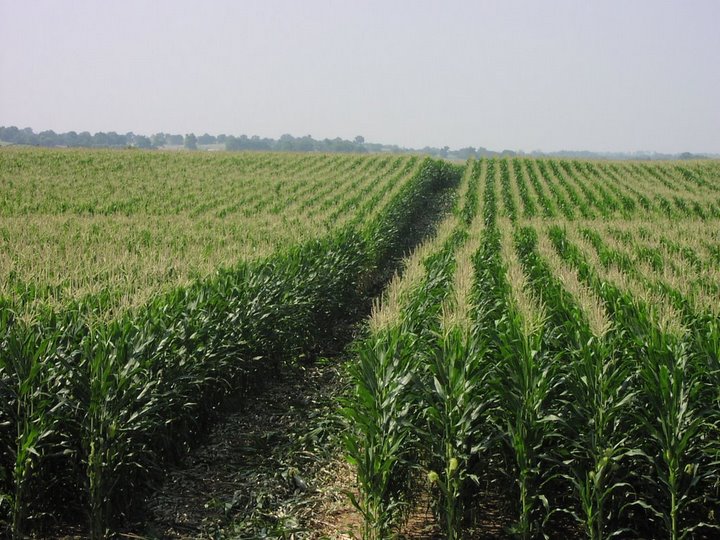
Another example of how the wind can play on scent is in an open area of a power line cutout of a forest or a sudden opening in a brush covered lot. High grass and other types of crop fields with a sudden open path or road way will make a tunnel effect on the scent trail because the wind or air will move up this tunnel opening to push or pull the scent in one direction or the other. 


If you look around you can see many places that make a tunnel effect on a surface which the wind can travel through.

Underpasses on highways and alleyways between buildings will all make a place for the wind or air to come through to move the scent off the person’s actual path. If you are trailing with your dog and cross a clear cut area in a forest or alleyway in a city your dog may turn into or away from the area when following the scent particle currents on the air.

Follow your dog and they will work the wind and air through the puzzle. Your dog may momentarily be off of the person’s actual foot path by following the scent on the breeze, the dog should be allowed to work this out without interference from their handler even when the handler does not understand why the dog is acting like they are not tracking.

Your dog may stop and look around as they smell the air and see where to go. Give the dog a chance to do as you ask. The wind’s effect on the scent can make a dog hard to read and confuse the handler who can then confuse the dog.

Anytime your dog stops following a scent they are working out a scent puzzle and should be allowed time to work this through without us telling them what to do because they are busy doing what we ask. If the dog stops to think or react we should not interfere. Some reactions take time.

Go easy on how much encouragement you give a dog who is actively working scent or they will feel interrupted. Some dogs do not like to be bothered when they are working and speaking to them can break the focus they have on the scent or job. Other dogs enjoy the companionship and want us to be part of the job. Each dog is an individual who we have to learn how to read.

Each time you start to work your dog on scent work, also called nose work, you should test the direction of the wind and feel how strong the wind is blowing.  

A mild breeze blowing the scent to your dog can have a great advantage on a trail while a day with no wind might make your dog work harder finding scent which is laying still. A day that is dry, hot and still with no breeze at all is the hardest for your dog to work a scent.

The trick for wetting your finger then watching to which side dries first does work for determining the wind direction and you can look around for items blowing in the wind, chimney smoke is a good indicator during winter months. Cigarette smoke and campfire smoke are good to watch and learn how the wind will move the scent on the air.

One important point to always keep in mind is that there is a layer of air at the surface of the earth where our feet land that is not moved or affected by upper wind movement. This layer of air can be worked by a dog in the worst of weather conditions.

This layer of air is between 2 and 4 inches from the ground and a dog who is tracking as close to the ground as they can get their nose is working this scent layer.

Bloodhounds and other hounds are notorious for finding their man because they know where to put their nose and their ears are long to stir up the air uncovering the scent in this bottom layer of surface air.

During the late afternoon and night hours of a day, the expansion or exhale of the earth cycle and moisture from overnight expands and wets this surface air which drifts up during the process making the scent easier for a dog to follow.


Sue working a Scent Cone


Saturday, October 15, 2011

Understanding and Reading a Scent Dog


How to Read a Dog

Keep in mind that this training is for in the event of a disaster or emergency situation in your own home which could never happen, therefore there is no pressure on you to or your dog to perform these lessons to high expectations.

In other words, take it easy, relax and let your dog do the work as you follow your dog and have fun. Maintaining a causal attitude and tone will work much better with this type of training then does a firm or obedience type of military.

As your dog works to find a lost person during a disaster you’ll be reading your dog for clues that indicate what your dog finds along the route, such as; tail held high and wagging means the dog is getting close to the person. 


Or, if your dog has their nose to the ground while working slowly this may mean the trail is many hours old requiring the dog to pay more attention then the free spirited tail wagging of a nearby find.   

Each dog is different in how they show their findings or clues which is why each dog and handler team must undergo certification. If a handler changes dogs they must learn how to read the new dog and certification will prove they do understand the dog.

Every handler must watch each dog they work with to be able to read the dog and as you watch your dog, look for any sign your dog gives you to what the find along the way.

The dog working an air scent will not go on the same path as the person does so never scold your dog if they do not go on the person’s exact path to find the person.

Only in tracking competitions do dogs have to stay directly on the person’s foot prints or path of travel and we are not competing we are saving lives there is a big difference.

The dog is always right and when a dog fails to find what they are looking for 99% of the time the handler has not read the dog and mistaken that the dog failed so the handler stops the dog. 

If you dog stops on a trail and looks at you for direction or in question then look around because they are trying to tell you something, they are not quitting. Usual the handler mistakes this sign as the dog losing the trail or scent path of the person they seek when that is not what the dog is indicating. 


For instance, one time Incredible Sue and I were looking for a lost elderly man with about 500 other search members. About 5 of us were searching a barn yard that had a blackberry patch next to the corral. Sue took me to the blackberry patch and she went to one of the bushes then used her nose to bump a bunch of the berries that were hanging on the bush. I had never seen her to this before.

At first I thought she was hungry or thirsty but she did not try to eat the berries. I paid attention to her to see what she was trying to tell me. I asked her what it was and to “show me”, she sat down which is her indication she found something. Then she bumped the berries again. I told her okay, now what. She got up and went to another bush and did the same thing and did this over again at another bush.

I watched her in amazement as it dawned on me the elderly man who had been missing 3 days must have been in this berry patch eating berries. He would defiantly have been hungry by then.

The other rescuers and I discussed what Sue was doing and agreed it sure looked like she was telling us this then we radioed the base camp to ask them to ask a family member if the man knew of this berry patch and he did. He was found a few days later not far from this berry patch after Sue and I did a midnight search on day 5 of his disappearance.

Always watch the dog and ask the dog to show you then let the dog show you. You do not show the dog where to go, they show you and this a complete opposite of what we teach our dogs in obedience and manners. (click to see our courses)

In search and rescue work we have to trust our dogs unconditionally and is one of the hardest things to learn. I always remind myself that my dog knows his nose better then I do therefore I do not interfere.

Another example of reading a dog would be when Sue and I were searching along a highway and she picked up a nice clean hanky that was in our route of travel, she carried this by her little front teeth like it was delicate then she dropped it. 

I told the officer with me that the hanky must of belong to the person we were looking for because otherwise she would not of noticed the cloth laying on the roadside. He left to confirm the hanky with the family as belonging to the lost person. Sue was right again. 

Never underestimate your dog.

The weather can make a dog work entirely different then we expect so always follow your dog and let them go to the person on their own without any interference from you.

No coaching the dog unless the dog just does understand what it is you are looking for and that is only when you first start training. 

If your dog has found a person who has hidden a few times and then the dog refuses to look for you the dog is either bored which can lead to burn out. Or, the dog knows where the person is and you are missing the clue.

If your dog goes in a completely different direction ignoring the person or what you ask them to do then do the lesson again being sure not to leave out a step which can confuse the dog.

If the dog fails again to respond by searching for the person then I would make sure the person was honest in how they hid and where they hid. Then start at the beginning lesson again until you learn to read what your dog is telling you.

You and your dog will learn to work as a team with practice and after many lessons once or twice a week. A bond will develop where communication is very clear between you and your dog. 

You will learn from your dog by reading them how they communicate with you through the tracking leash, body language and clues.

A wagging tail means what? Usually they are hot on the trail.

A tail that suddenly goes down means they came to a spot they have to work out or figure out like a puzzle. This spot is where a scent pool may have been left when the person sat down.

This could also be a spot where another dog happened to pee. Only after a few training sessions will you be able to tell the difference by learning to read your dog.

If this spot is where another dog peed, most likely your dog will only smell it and then relieve themselves at the spot too and then go back to looking for the person or on the trail.  

However, if this is a scent pool of the person you are looking for the dog may smell more deeply and show more interest or different interest in this spot and work a one or two ft area that is heavy with the scent of the person.

Let your dog do the puzzle because you will never be able to use your nose to do this scent puzzle. Once the dog figured out which way the person exited the pool of scent they will lead you on the next leg of the route.

Here's my wolf and I looking for my daughter in sand dunes for the first time.


Dogs that are hot, tired and thirsty from working a long trail may go off the route if they smell water. Sue often did this in the summer heat. I would let her go for a swim in a creek if she wanted to because I knew as soon as she was cooled off she would hop back onto her trail. Even if the creek was down the road the opposite direction she would go back to where she cut off to find water and resume the search.

Trust your dog and learn to read him like a book.


Here's my book !


How-to train a tracking dog click here


Featured Lesson

Use a Pet Dog to Find Lost and Missing Children, Seniors, Friends and Pets

Copyright  2024 Amber Higgins Use your dog to find Family and Friends, especially disabled and special needs loved ones. Even other pets! Th...

Author Amber Higgins and Washee

Author Amber Higgins and Washee
Click Pic to Visit my author page

Advertising Disclosure

Disclosure: Some of the links on this site are affiliate links that I have reviewed and approved. Additionally links to products such as at Amazon are products I have personally used. Affiliate links means that, at zero cost to you, I will earn an affiliate commission if you click through the link and finalize a purchase. The proceeds earned are not much and used to keep this Family Disaster Dogs website free to the public. Thank you for your support.

Welcome UK and Worldwide Visitors

Welcome UK and worldwide visitors and friends to Family Disaster Dogs online! Although I'm an American author and dog professional the worldwide web has given me the opportunity to connect with some wonderful folks who have contributed pictures for my books. The "Start Mantrailing" book features RRI K9 North Scotland trained Search and Rescue Dog "Amber" on the cover and her teammates training in the book, plus American dogs using my training methods. A portion of sales of the Start Mantrailing book or copies were donated to RRI North Scotland. The children's picture book "My Puppy Can Find Me" has my daughter and bloodhound as illustrations by UK cartoonist Scotty King. You can find the books on Amazon UK or use the contact page to order from me. When you click the links will take you to your own county pages of this site.

Popular Posts

Past Posts and Lessons

To see all the lessons and dog care articles on this site:

Look at the dates listed in the sidebar to the right and below, click one date to bring up all the articles and lessons published at this site in one page for each date.

There are about 300 pages that have been published here at Family Disaster Dogs since 2011.

New lessons or dog care articles continue to be posted weekly.

The list is the easiest way to find all the information here.

Enjoy the search and follow that dog!

Help Keep Free Books Free for everyone-Donate Today!

Read and Review my books on Goodreads

Family Disaster Dogs

Purchases from affiliate links help Keep Family Disaster Dogs Site Free!

Check this deal out and support us! These products on amazon sell fast!

https://amzn.to/3U4siv6